
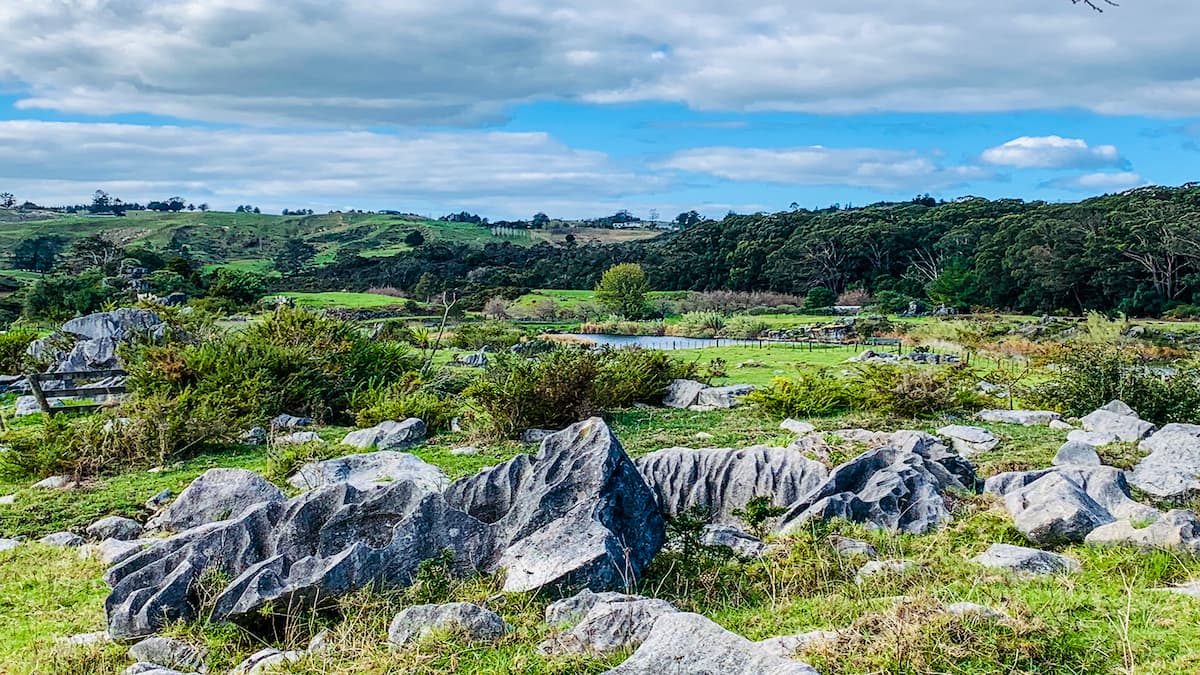
Buying your first home in Whangarei is an exciting milestone, but it can feel overwhelming without a clear roadmap. With its affordable property prices, vibrant community, and coastal lifestyle, Whangarei is an attractive destination for first-time buyers. In 2026, the local market offers opportunities, with an average selling price of $740,767 and a buyer-friendly environment, according to REINZ. At Maximise Real Estate, we’re here to simplify the process and guide you every step of the way. This comprehensive guide breaks down the home-buying journey in Whangarei, from securing pre-approval to navigating inspections, and includes practical tips for working with local lenders to make your dream of homeownership a reality.
Why Buy in Whangarei in 2026?
Whangarei’s property market is increasingly appealing for first-time buyers. REINZ reports a median property price of $690,000 as of December 2025, with a slight decline over the past 3 months, and properties taking an average of 56 days to sell (up from the typical December average of 44 days), indicating buyers have time to explore options. Suburbs like Raumanga ($462,550 average value) and the Avenues (average price $544,800) offering affordability, while premium areas like Tamaterau ($971,850)cater to those seeking coastal charm. Now is a great time to enter Whangarei’s market. Here’s how to navigate the process as a first-time buyer.
Step 1: Assess Your Financial Readiness
Before diving into house hunting, understanding your financial position is crucial. Start by evaluating your income, expenses, savings, and debts to determine what you can afford. Most Whangarei lenders require a 20% deposit (for example, $139,000 for a $695,000 home), but options like the Kāinga Ora First Home Loan allow a 5% deposit ($34,750) for eligible buyers.
Tips for Financial Preparation:
Save Consistently: Set up a dedicated savings account and automate transfers to build your deposit.Pay off high-interest debts first to improve your credit score.
Use KiwiSaver: If you’ve been in KiwiSaver for at least three years, you can withdraw your savings (minus $1,000) for a deposit. Eligible buyers may also access a First Home Grant of up to $5,000 for existing homes or $10,000 for new builds, per Kāinga Ora.
Budget for Extra Costs: Factor in conveyancing fees ($1,500–$2,500), building inspections ($500–$800), and moving costs to avoid surprises.
Step 2: Get Pre-Approved for a Mortgage
Mortgage pre-approval is a game-changer in Whangarei’s competitive market, showing sellers you’re a serious buyer and clarifying your budget. Pre-approval involves a lender assessing your financials to confirm how much they’ll lend you.
How to Get Pre-Approved:
Gather Documents: Prepare proof of income (payslips, tax returns), expenses, ID, and bank statements. Lenders may also run credit checks.
Work with Local Lenders: Whangarei-based lenders, like those partnered with Kāinga Ora for First Home Loans, offer tailored options. For example, ANZ, Westpac, and BNZ provide low-deposit loans with a 1% Lender’s Mortgage Insurance premium. Mortgage brokers, such as those at CB Mortgages, can compare offers from multiple banks to secure favorable rates.
Understand Loan Options: Choose between fixed-rate loans (stable payments, e.g., 3.99% for predictability) or variable-rate loans (flexible, but rates may rise). A mixed loan combines both for balance. Consult a broker to find the best fit.
Local Lender Tip: Engage a Whangarei mortgage broker early, as they understand local market nuances and can access First Home Loan packages for buyers with incomes under $95,000 (single) or $150,000 (joint). They’ll also guide you on Kāinga Ora criteria, ensuring you maximize government support.
Step 3: Research the Whangarei Market
Understanding Whangarei’s property landscape helps you find the right home at the right price. Popular suburbs like Kensington and Kamo offer proximity to schools and amenities, while emerging areas like Morningside and Onerahi show growth potential due to commercial development.
Research Tips:
Use Online Tools: Platforms like realestate.co.nz and TradeMe Properties provide listings, photos, and recent sales data.
Check Sales Data: Review comparable sales in your target suburb.
Visit Suburbs: Explore neighborhoods at different times to assess vibe, noise, and amenities. Check crime stats and school zones for family-friendly areas like Maunu.
Step 4: Build Your Support Team
A strong team simplifies the buying process. In Whangarei, your team should include:
Real Estate Agent: A local agent, like those at Maximise Real Estate, provides market insights, recommends properties, and negotiates on your behalf.
Mortgage Broker: Brokers compare lenders to secure the best loan terms, especially for first-time buyers.
Solicitor/Conveyancer: They handle legal paperwork, title searches, and LIM reports to protect your interests.
Building Inspector: A qualified inspector checks for structural issues, ensuring your investment is sound.
Step 5: Start House Hunting
With pre-approval in hand, begin searching for properties that fit your budget and needs. Whangarei offers diverse options, from compact units in Raumanga to lifestyle blocks in rural areas.
House Hunting Tips:
Attend Open Homes: Visit multiple properties to compare features and conditions. Take notes on layout, natural light, and maintenance history.
Ask Key Questions: Inquire about recent sales (e.g., a three-bedroom home in Kamo sold for $650,000 in 2023), unpermitted work, or zoning restrictions.
Consider Long-Term Value: Look for properties near developing infrastructure, like Onerahi’s growing commercial hub, for future resale potential.
Step 6: Conduct Pre-Purchase Inspections
A pre-purchase building inspection is critical in Whangarei, where older homes may have issues like unconsented work or weathertightness problems. Inspections cost $500–$800 but can save thousands by identifying costly repairs.
What Inspections Cover:
Structural Integrity: Foundations, walls, and roofs for cracks or shifting.
Weathertightness: Moisture issues, especially in 1985–2003 homes with monolithic cladding, common in Whangarei.
Compliance: Check for unpermitted additions, like basement excavations, which can cost thousands to rectify. Asset Property Inspections in Whangarei offers compliance checks against council records.
Other Issues: Look for borer, plumbing, or electrical faults.
Local Inspection Tip: Hire a Whangarei-based inspector, like Whangarei Building Inspections, who understands local housing styles and issues, such as coastal weather impacts. Request a detailed report with photos to negotiate repairs or price reductions.
Step 7: Make an Offer and Negotiate
Once you find the right home, it’s time to make an offer. In Whangarei, offers are typically made through a Sale and Purchase Agreement, prepared by your agent or lawyer.
Offer and Negotiation Tips:
Research Comps: Base your offer on recent sales in the suburb. For example, a Morningside home sold for $620,000 in 2023, 5% below its capital value.
Include Conditions: Add clauses for finance approval, inspection reports, or LIM clearance to protect yourself.
Be Strategic: Start with a competitive but realistic offer to avoid alienating sellers. Highlight non-price factors, like a quick settlement, to strengthen your bid.
Step 8: Finalize the Purchase
After your offer is accepted, complete the following steps to seal the deal:
Review the LIM Report: Obtain a Local Information Memorandum from Whangarei District Council to check zoning, consents, and flood risks.
Secure Financing: Finalize your mortgage with your lender. Provide updated financials if needed.
Conduct a Title Search: Your lawyer ensures the seller has legal rights to sell and checks for easements or restrictions.
Final Inspection: Before settlement, confirm any agreed repairs are completed.
Settle and Celebrate: On settlement day, your lender transfers funds, and you receive the keys. Register the title with Land Information New Zealand.
Working with Local Lenders: Top Tips
Whangarei’s lending landscape offers unique opportunities for first-time buyers. Here’s how to make the most of it:
Leverage Kāinga Ora Programs: Apply for a First Home Loan if your income is under $95,000 (single) or $150,000 (joint) and the property price is below regional caps (e.g., $625,000 for existing homes in Northland).
Use a Local Broker: Brokers like CB Mortgages in Whangarei know which banks offer low-deposit loans and can negotiate better rates. They’re familiar with local property types, like cross-lease homes common in Kamo.
Compare Rates: Shop around for fixed or variable rates. For example, a 3.99% fixed rate on a $500,000 loan saves $170/month compared to a 4.99% variable rate.
Ask About Fees: Some lenders waive application fees for first-time buyers. Confirm all costs, including Lender’s Mortgage Insurance for low-deposit loans.
Avoiding Common Pitfalls
Skipping Inspections: Don’t waive inspections to save money; hidden issues like unconsented work can cost thousands.
Overstretching Your Budget: Stick to properties within your pre-approved range to avoid financial strain.
Ignoring Suburb Trends: Avoid areas with declining values, like Ngunguru (-8.06% from 2023–2025), unless you’re confident in long-term growth.
Why Choose Maximise Real Estate?
Navigating Whangarei’s property market as a first-time buyer is easier with the right partner. At Maximise Real Estate, we offer expert guidance, from connecting you with trusted local lenders to recommending properties that match your budget and lifestyle. Our team provides personalized support, ensuring you make informed decisions and secure your dream home.
Start Your Whangarei Home Journey Today!
Ready to buy your first home in Whangarei? Don’t go it alone. Contact Maximise Real Estate for a free consultation with our experienced agents. We’ll help you get pre-approved, find the perfect property, and navigate inspections with confidence. Call us at [insert contact number] or visit [insert website URL] to start your journey to homeownership today!