
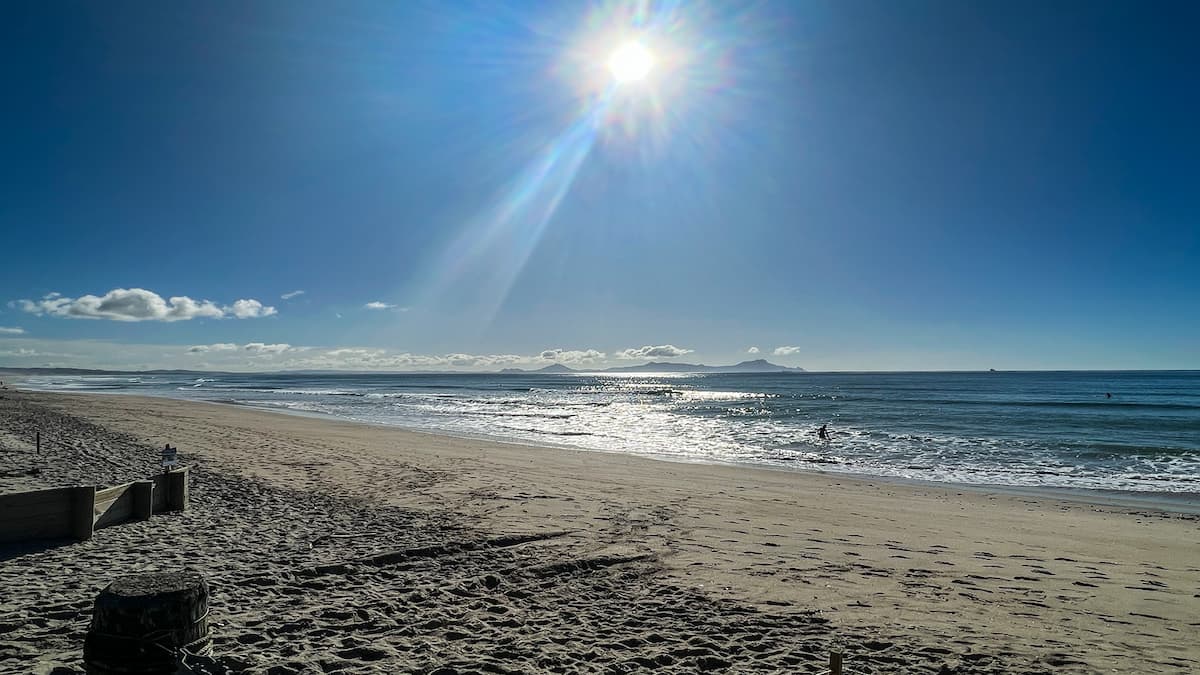
Whangarei, nestled in the heart of Northland, New Zealand, is a city where history weaves seamlessly into its modern identity, reflected in the diverse homes that grace its neighborhoods. From the grand Victorian villas of Kensington to the sleek, contemporary estates of Maunu, Whangarei’s housing tells a story of Māori heritage, European settlement, and a thriving present. In 2025, with a buyer-friendly market and growing population of about 100,500 (2023 estimate), Whangarei beckons homebuyers seeking character, community, and connection to nature. At Maximise Real Estate, our intimate knowledge of Whangarei’s neighborhoods—past and present—helps buyers and sellers find or market homes that honor this legacy. Join us as we explore the evolution of housing across eight vibrant suburbs, sprinkled with fun facts to bring Whangarei’s history to life, and discover how Maximise shapes the city’s real estate story.
The Roots of Whangarei’s Housing
Whangarei’s housing journey began long before its modern suburbs took shape. Māori communities, centered around pā sites like Parihaka, built whare from local timber and flax, designed for communal living near the harbor’s bounty. By the 1840s, European settlers arrived, dotting the landscape with simple wooden cottages and farmhouses, laying the foundation for neighborhoods like Kensington and Whangarei Central. These early homes, crafted to endure Northland’s humid climate, set the stage for Whangarei’s growth into a bustling hub, fueled by trade, agriculture, and its strategic port.
Fun Fact: Whangarei’s name, meaning “waiting for Reitū” in Māori, comes from a legend of a chief’s daughter awaiting her lover by the harbor—a romantic tale that echoes in the city’s coastal charm, still a draw for today’s homebuyers.
1. Kensington: Victorian Elegance Endures
Kensington, just north of Whangarei’s CBD, emerged in the late 1800s as a haven for merchants and professionals. Its grand Victorian and Edwardian villas, with kauri woodwork, high ceilings, and wraparound verandas, exuded elegance, built to catch cooling breezes. By the mid-20th century, bungalows and state homes filled in the gaps, creating a cozy, family-friendly vibe. Today, Kensington blends these historic gems with modern renovations, its tree-lined streets buzzing near Kensington Park’s sports fields.
Maximise Agent Insight: “Kensington’s villas are like stepping into Whangarei’s past,” says a Maximise Real Estate agent. “Buyers love the character of kauri floors and stained glass, while sellers lean on us to highlight the suburb’s heritage and proximity to the CBD.”
Fun Fact: Some Kensington villas still have original coal ranges in their kitchens, a nod to the 19th-century lifestyle when coal was king for cooking and heating.
2. Kamo: From Farmlands to Family Homes
North of the city, Kamo began as sprawling farmland in the early 1900s, dotted with weatherboard cottages for quarry workers and farmers. Its large sections offered space for orchards and gardens, a hallmark of self-sufficient living. Post-war growth brought state houses and bungalows, transforming Kamo into a family suburb. Today, it features a mix of character homes and modern builds, with schools like Kamo High fostering community.
Maximise Agent Insight: “Kamo’s evolution from farms to families is evident in its spacious homes,” shares a Maximise agent. “We help buyers find properties with garden potential and guide sellers to emphasize the suburb’s community roots.”
Fun Fact: Kamo’s name comes from the Māori word for “eyelash,” inspired by the area’s long, fern-like vegetation that once lined its springs.
3. Maunu: Modern Estates on Volcanic Soil
West of Whangarei, Maunu started as dairy farms in the 1920s, with simple farmhouses on fertile volcanic soil. The 1970s saw a shift to lifestyle blocks and contemporary homes, appealing to those wanting space. Today, Maunu boasts upscale estates with panoramic views, blending rural charm with modern luxury near the Whangarei Quarry Gardens.
Maximise Agent Insight: “Maunu’s modern homes on large sections are ideal for families,” notes a Maximise agent. “Buyers seek the views and privacy, while sellers trust us to market the suburb’s upscale appeal.”
Fun Fact: Maunu’s volcanic soil, from ancient eruptions, makes it perfect for orchards—many early homes had fruit trees that still bear produce today.
4. Matapouri: Coastal Baches with a Relaxed Vibe
East of Whangarei, Matapouri emerged in the 1950s as a holiday spot with simple baches (beach cottages) for Auckland escapees. These modest, weatherboard homes prioritized beach access over luxury. The 2000s brought modern upgrades, but Matapouri retains its laid-back charm, with homes near the white-sand beach and Mermaid Pools.
Maximise Agent Insight: “Matapouri’s baches evoke nostalgic coastal living,” says a Maximise agent. “We connect buyers with beachfront gems and help sellers highlight the suburb’s holiday appeal.”
Fun Fact: Matapouri’s Mermaid Pools, natural tidal pools, were a secret swimming spot for early bach owners, now a popular draw for families.
5. Onerahi: Harbour Cottages Turned Modern Havens
Onerahi, on the Whangarei Harbour, began in the 1860s with harbor cottages for shipbuilders and fishermen. Its elevated sections offered views, leading to bungalows in the 1920s. Today, Onerahi features renovated cottages and contemporary homes, with its yacht club and airport adding convenience.
Maximise Agent Insight: “Onerahi’s harbor views are timeless,” shares a Maximise agent. “Buyers love the blend of history and modernity, and sellers rely on us to showcase waterfront potential.”
Fun Fact: Onerahi was once a key port for gum diggers, with early cottages built from kauri gum profits—a sticky start to the suburb’s history!
6. Raumanga: Working-Class Roots to Community Core
Raumanga, southwest of the CBD, started in the early 1900s as a working-class area for factory and railway workers, with modest weatherboard homes on large sections. Post-war state housing expanded the suburb, catering to families. Today, Raumanga offers a mix of renovated originals and modern homes, with parks and schools creating a family-friendly feel.
Maximise Agent Insight: “Raumanga’s evolution from industrial to family-focused is inspiring,” notes a Maximise agent. “We connect buyers with affordable, spacious homes and help sellers highlight the suburb’s community spirit.”
Fun Fact: Raumanga’s early homes were built near the railway for easy worker access, a legacy still visible in the suburb’s grid-like street layout.
7. Tikipunga: Suburban Growth with a Natural Touch
Tikipunga, northeast of the city, developed in the 1960s as a suburban extension, with state houses and bungalows for growing families. Its proximity to Whangarei Falls added a natural allure. Today, Tikipunga features modern family homes and parks, blending suburban convenience with outdoor access.
Maximise Agent Insight: “Tikipunga’s family homes near the falls are a draw,” says a Maximise agent. “Buyers appreciate the space, and sellers trust us to market the suburb’s natural and community assets.”
Fun Fact: Tikipunga’s name means “the place of the white clay,” referring to the area’s clay soil, which early settlers used for pottery.
8. Whangarei Central: Colonial Charm in the Heart
Whangarei Central, the city’s core, began with colonial buildings in the 1850s, including timber shops and homes near the Hatea River. The 20th century brought Art Deco influences and apartments. Today, it mixes heritage restorations with contemporary lofts, vibrant with cafes and the Town Basin.
Maximise Agent Insight: “Whangarei Central’s colonial buildings offer urban heritage living,” shares a Maximise agent. “We help buyers find character-filled homes and guide sellers to emphasize the central location’s convenience.”
Fun Fact: Whangarei Central’s Old Customhouse, built in 1860, once served as a bank and now houses a gallery—a testament to the area’s adaptive history.
Whangarei’s Housing Today: A Blend of Old and New
Whangarei’s housing in 2025 reflects its journey from Māori whare to modern estates. Historic villas in Kensington and baches in Matapouri coexist with Maunu’s sleek designs and Onerahi’s waterfront homes, offering something for every buyer. The city’s coastal climate poses challenges, like corrosion in Onerahi or weatherproofing in Kensington, but these are opportunities in a buyer-friendly market with ample inventory (Harcourts, May 2025). Maximise helps clients navigate these nuances, ensuring homes honor Whangarei’s past while meeting modern needs.
Why Choose Maximise Real Estate?
At Maximise Real Estate, we bring Whangarei’s housing history to life, helping buyers and sellers connect with the city’s unique neighborhoods. Our team offers: - **Deep Historical Knowledge**: Expertise in Kensington’s villas, Maunu’s modern estates, and Matapouri’s coastal retreats. - **Personalized Service**: Matching buyers with homes that fit their lifestyle and helping sellers showcase their property’s heritage or modern appeal. - **Market Expertise**: Strategies to navigate Whangarei’s buyer-friendly market, ensuring the best outcomes. - **Local Connections**: Partnerships with inspectors, lenders, and conveyancers for a seamless process.
Discover Your Whangarei Home with Maximise!
Ready to own a piece of Whangarei’s rich housing history, from a Kensington villa to a Matapouri beach house? Let Maximise Real Estate help you with our passion for the city’s neighborhoods. Contact us for a free consultation to explore listings or prepare your home for sale. Call [insert contact number] or visit [insert website URL] today. Your Whangarei story starts here!